10 Benefits of Carrots: The Crunchy Powerfood

1. Improved Vision Western culture’s understanding of carrots being “good for the eyes” is one of the few we got right. Carrots are rich in beta-carotene, which is converted into vitamin A in the liver. Vitamin A is transformed in the retina, to rhodopsin, a purple pigment necessary for night vision.

Healthy Skin Diet: Why Juicing Is the Key to Young, Vibrant Skin

Admit it; as we age, we all take a look in the mirror one morning and think to ourselves, gosh, I wish I would have taken better care of myself. The wrinkles start setting in, the spots and blemishes become more pronounced, the skin dulls, and we look older!.

Making Home Life Easier for Allergy Sufferers

t is not uncommon for people to be born with an allergy of some sort these days. Although different in severity, allergies inevitably affect the sufferer's life by influencing what they can and can't eat or what areas and times of year they need to look out for.

ACE inhibitors and angiotensin II receptor blockers

There are systems in your body that work together to keep your blood pressure at a level high enough to get enough oxygen and nutrients around your body. ACE inhibitors and ARBs lower your blood pressure by acting on one of these systems; the renin-angiotensin-aldosterone system..

Which Exercises Are Best For Building Muscle?

Today we will teach you exactly that and show you how to set up your workout plan for best results. If you pull out your current training plan in front of you right now

Showing posts with label Healthy Food. Show all posts

12/27/12

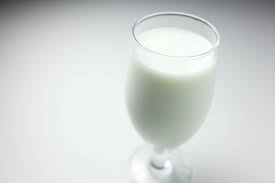
6 Health Benefits of Milk

Milk is an important part of our diet. We begin drinking it when we are young, but our intake decreases as we get older. Some people shy away from it because they fear that it will add too much fat to their diet. Others leave it out because they believe that they no longer need it. You are never too old to reap the rewards of drinking milk. It is a great source of vitamins and nutrients, and it has several health benefits, such as:

1. Glowing Skin

Cleopatra took milk baths to help her skin stay soft, supple and glowing. You can do the same, or you can drink a few glasses of whole milk each day to get its benefits. Milk has several nutrients which help skin look its best. It has lactic acid which can act as an exfoliant and enzymes to help smooth skin. It also has amino acids that help keep skin moisturized. Milk can help prevent damage from environmental toxins because it has antioxidants. However, if you have a sensitivity to milk or dairy products, milk can actually aggravate your skin.

2. Healthy Bones and Teeth

Milk is a great source of calcium, which is essential for healthy bones. Not only do young children need it while their bones are growing, but adults need it to keep their bones strong and to prevent osteoporosis. Milk is also great for strong teeth, and it helps prevent tooth decay and cavities. In order for the calcium to be absorbed by the body, vitamin D must be present. If you have a vitamin D deficiency, buy milk that is fortified with extra vitamin D to ensure that your body absorbs the calcium.

3. Muscles

Milk contains protein, which helps to rebuild muscles. Drink a glass of milk after you exercise to give your body what it needs to recover. It will help to keep soreness at bay while replenishing fluids that you lost during your workout.

4. Weight Loss

Studies show that women who drink low-fat or skim milk lose more weight than those who exclude milk from their diet. It is a great appetizer and it makes a healthy snack. Add a glass to your dinner, or drink a glass while eating a piece of fruit.

5. Less Stress

Milk is a great way to de-stress at the end of the day. A glass of warm milk will help to relax tense muscles and soothe frayed nerves. Milk has also been proven to reduce symptoms of PMS and boost energy. The next time you are feeling frazzled, try drinking a glass of milk while you soak in a bubble bath.

6. Healthy Body

Milk has properties that lower high blood pressure and risk of strokes. It reduces the liver’s production of cholesterol, and it can act as an antacid. Vitamins A and B in milk can help build good eyesight. Milk has also been show to help lower risk of certain cancers.
There are several varieties of milk on the market, such as whole, 2%, low-fat and fat free. If you are concerned about the growth hormones used in milk, choose to go the organic route.  With all of the types of milk available, you should be able to find something that fits your diet and nutritional needs.

12/25/12

10 Benefits of Carrots: The Crunchy Powerfood

Benefits of Carrots
1.  Improved Vision
Western culture’s  understanding of carrots being “good for the eyes” is one of the few we got right. Carrots are rich in beta-carotene, which is converted into vitamin A in the liver. Vitamin A is transformed in the retina, to rhodopsin, a purple pigment necessary for night vision.
Beta-carotene has also been shown to protect against macular degeneration and senile cataracts. A study found that people who eat the most beta-carotene had 40 percent lower risk of macular degeneration than those who consumed little.
2.  Cancer Prevention
Studies have shown carrots reduce the risk of lung cancer, breast cancer and colon cancer. Researchers have just discovered falcarinol and falcarindiol which they feel cause the anticancer properties.
Falcarinol is a natural pesticide produced by the carrot that protects its roots from fungal diseases. Carrots are one of the only common sources of this compound. A study showed 1/3 lower cancer risk by carrot-eating mice.
3.  Anti-Aging
The high level of beta-carotene acts as an antioxidant to cell damage done to the body through regular metabolism.  It help slows down the aging of cells.
4.  Healthy Glowing Skin (from the inside)
Vitamin A and antioxidants protects the skin from sun damage. Deficiencies of vitamin A cause dryness to the skin, hair and nails. Vitamin A prevents premature wrinkling, acne, dry skin, pigmentation, blemishes, and uneven skin tone.
5.  A Powerful Antiseptic
Carrots are known by herbalists to prevent infection. They can be used on cuts – shredded raw or boiled and mashed.
6.  Beautiful Skin (from the outside)
Carrots are used as an inexpensive and very convenient facial mask.  Just mix grated carrot with a bit of honey. See the full recipe here: carrot face mask.
7.  Prevent Heart Disease
Studies show that diets high in carotenoids are associated with a lower risk of heart disease.  Carrots have not only beta-carotene but also alpha-carotene and lutein.
The regular consumption of carrots also reduces cholesterol levels because the soluble fibers in carrots bind with bile acids.
8.  Cleanse the Body
Vitamin A assists the liver in flushing out the toxins from the body. It reduces the bile and fat in the liver. The fibers present in carrots help clean out the colon and hasten waste movement.
9.  Healthy Teeth and Gums
It’s all in the crunch! Carrots clean your teeth and mouth. They scrape off plaque and food particles just like toothbrushes or toothpaste.  Carrots stimulate gums and  trigger a lot of saliva, which being alkaline, balances out the acid-forming, cavity-forming bacteria.  The minerals in carrots prevent tooth damage.
10.  Prevent Stroke:
From all the above benefits it is no surprise that in a Harvard University study, people who ate more than six carrots a week are less likely to suffer a stroke than those who ate only one carrot a month or less.

Health Benefits Of Tomatoes

There are many health benefits of eating tomatoes. Tomatoes contain compounds that have been proven to help prevent cancer, heart disease cataracts and many others.

Tomatoes are a member of the deadly nightshade family, and as such were considered toxic, causing many conditions like appendicitis, "brain fever" and cancer. In fact, they may have just the opposite effect. Tomatoes were not even eaten in the US until the early 1800s, when an eccentric New Jersey gentleman Colonel Robert Gibbon Johnson brought them back from a trip overseas. Always one to take advantage of a dramatic opportunity, he announced an amazing display of courage would take place on September 26, 1820. He shocked his hometown of Salem by consuming and entire basket of tomatoes in front of a crowd of spectators, expecting him to keel over any second. Obviously, he didn't and since then tomatoes have been a staple of the American diet and with good reason.
Starting with the basics, tomatoes contain large amounts of vitamin C, providing 40 percent of the daily value (DV). They also contain 15 percent DV of vitamin A, 8 percent DV of potassium, and 7 percent of the recommended dietary allowance (RDA) of iron for women and 10 percent RDA for men.
The red pigment contained in tomatoes is called lycopene. This compound appears to act as an antioxidant, neutralizing free radicals that can damage cells in the body. Only recently, studies have revealed that lycopene may have twice the punch of another well-known antioxidant betacarotene. Studies conducted by Harvard researchers have discovered that men who consumed 10 servings of tomatoes a week, or the equivalent to 10 slices of pizza, can cut the risk of developing prostate cancer by a formidable 45 percent. However, its benefits are not limited to the prostate. Italian researchers have found that those who consume more that 7 servings of raw tomatoes lower the risk of developing rectal colon or stomach cancers by 60 percent. Israeli researchers have found that lycopene is a powerful inhibitor of lung, breast, and endometrial cancer cells. Research has also indicated that the lycopene in tomatoes can help older people stay active longer.


New research is beginning to indicate that tomatoes may be used to help prevent lung cancer. Two powerful compounds found in tomatoes-coumaric acid and chlorogenic acid-are thought to block the effects of nitrosamines. These are compounds that not only are formed naturally in the body, but also are the strongest carcinogen in tobacco smoke. By blocking the effects of these nitrosamines, the chances of lung cancer are reduced significantly.
When choosing your tomatoes, be sure to pick those with the most brilliant shades of red. These indicate the highest amounts of betacarotene and lycopene. Though raw tomatoes are great for you, cooking them releases even more of the benefits. Lycopene is located in the cell wall of the tomato, so by cooking in a bit of oil, this healing compound is more fully released. In addition cooking the tomato in olive oil allows your body to absorb the lycopene better. Don't worry about the availability of fresh tomatoes. Tomatoes don't lose any of their nutritional value in the high heat processing , making canned tomatoes and tomato sauce are both just as viable and beneficial as fresh tomatoes.

What Are the Health Benefits of Bay Leaves?


What Are the Health Benefits of Bay Leaves?
Photo Credit Jupiterimages/Comstock/Getty Images
Most people are familiar with the bay leaf as a culinary herb used to season soups and stews, but it also has a centuries-old reputation as a medicinal herb. The bay leaf's effectiveness in treating many of the conditions it was originally used to treat has not yet been proved, but modern science has found two surprising applications that may have a place in modern medicine.

Traditional Uses

Bay leaves have been used medicinally for centuries. They were eaten fresh or dried and infused into warm water to be taken internally for a variety of ailments. The resulting infusion was a diuretic, increasing urination to remove excess water from the body, and an emetic, to induce vomiting. Bay leaves also have astringent properties, which could help stop secretions due to infection and help reduce excessive sweating brought on by illness. None of these traditional uses have been backed up by modern science, but current technology has allowed for deeper investigation that has revealed startling results.

Wound Healing

Traditional herbalists knew that a bay leaf poultice or wash could help heal wounds, but modern science has discovered just how well it works. A 2006 study in the "BMC Complementary and Alternative Medicine" journal found that rats treated with 200 mg of bay leaf extract per kilogram of body weight experienced accelerated wound closure and healing within 10 days. A 2011 study in the journal "Natural Product Research" discovered why -- bay leaf extract was found to have antimicrobial activity against some of the most common pathogens, including Staphylococcus aureus, Streptococcus pyogenes, Aspergillus fumigatus and Candida albicans.

Diabetes

A 2009 study in the "Journal of Clinical Biochemistry and Nutrition" expanded on previous research into the effects of bay leaves on blood sugar and investigated the effects on humans with Type 2 diabetes. Participants who received 1 g to 3 g of ground bay leaf per day for 30 days experienced a drop in blood glucose, cholesterol and triglycerides. Because diabetes increases your risk of heart disease, the fact that bay leaves not only improved insulin function but simultaneously improved markers for heart disease was an encouraging result. More research is needed, but the results are promising.

Caution

There are several types of plants that are called bay leaves, but the only true bay leaf is Laurus nobilis. Leaves from any other plant cannot be said to have the same health benefits, and some can be toxic. According to the Herb Society of America, the Kalmia latifolia is poisonous, even though it is related to and looks similar to the bay leaf. Leaves of the California laurel, or Umbellularia californica are sometimes sold as "California bay leaves," but they can damage the central nervous system and cause respiratory distress when inhaled.

10 Health Benefits of Cinnamon


Cinnamon Powder and Sticks
Cinnamon has long been a popular spice in baking and cooking. Research has found that it is not only delicious but it's healthy, too. Just make sure that you're buying true cinnamon and not cassia, which is often sold as cinnamon in stores.
Here are 10 Health Benefits of Cinnamon that may make you want to include it in your diet every day.
Lower Cholesterol
Studies have shown that just 1/2 teaspoon of cinnamon per day can lower LDL cholesterol.
Blood Sugar Regulation
Several studies suggest that cinnamon may have a regulatory effect on blood sugar, making it especially beneficial for people with Type 2 diabetes.
Yeast Infection Help
In some studies, cinnamon has shown an amazing ability to stop medication-resistant yeast infections.
Cancer Prevention
In a study published by researchers at the U.S. Department of Agriculture in Maryland, cinnamon reduced the proliferation of leukemia and lymphoma cancer cells.
Anti-Clotting
It has an anti-clotting effect on the blood.
Arthritis Relief
In a study at Copenhagen University, patients given half a teaspoon of cinnamon powder combined with one tablespoon of honey every morning before breakfast had significant relief in arthritis pain after one week and could walk without pain within one month.
Anti-Bacterial
When added to food, it inhibits bacterial growth and food spoilage, making it a natural food preservative.
Brain Health
One study found that smelling cinnamon boosts cognitive function and memory.
E. Coli Fighter
Researchers at Kansas State University found that cinnamon fights the E. coli bacteria in unpasteurized juices.
High in Nutrients
It is a great source of manganese, fiber, iron, and calcium.
If you're ready to start taking cinnamon as a natural remedy, check out the 4 Best Cinnamon Powders to see what the best true cinnamon, or Ceylon cinnamon, is according to user reviews. Also see Side Effects of Cinnamon for possible side effects and contraindications.

12 Foods That Contain Anthocyanins

Anthocyanin is a plant compound and pigment responsible for the dark purple, red and blue colors of many fruits that also acts as a powerful antioxidant in the human body. Often taken as a supplement, they are commonly found in many dark berries and fruits, but a variety of other healthy foods are full of this useful antioxidant as well.
Here are 12 foods that contain anthocyanins.
Blackberries & Other Berries
Most berries have good amounts of anthocyanins. Raspberry, blackberry, blueberry, bilberry, elderberry, cranberry, and virtually any blue, purple or red-skinned berry, are likely to have a high concentration of anthocyanins. In general, blackberries have the highest antioxidant capacity of any fruit. The specific degree of health benefits of each berry may vary.
Cherries
Tart cherries have a higher concentration of anthocyanins than sweet cherries, but any cherry is a good source; the darker the better.
Black Currant
Many studies involving anthocyanins site black currant as the supplement of choice.
Grapes and Wine
Concord and muscadine grapes are ripe with anothocyanins, but all grapes are a good source. Anthocyanins are found mostly in the skin of grapes. Since white wine is fermented without grape skins, red wine varietals are a much better source of anthocyanins than white varietals.
Plums
These dark, purple fruits are one of the staples of anthocyanin foods.
Pomegranates
Anothocyanins are only one of many powerful antioxidants found in pomegranates.
Bananas
Many researchers have been surprised to learn that bananas (not noted for their dark color) are a rich source of anthocyanins.
Eggplant
Sometimes referred to as a "brain food," due in part because the anthocyanins found mostly in the eggplant skin, help protect the lipids (fats) in brain cell membranes.
Asparagus
Recent studies have found purple asparagus to contain high amounts of anthocyanins.
Red Cabbage
Scientists have found 36 different types of anthocyanins in red cabbage.
Red Fleshed Peaches
According to researchers, fruits with red flesh carry many of the same health benefits as dark berries, due in part to the high levels of anthocyanins found in both.
Black Beans & Kidney Beans
Many beans may have trace amounts of anthocyanins, but black beans and kidney beans have more significant levels.
Other Foods
Many other foods contain anthocyanins. Notable amounts have been detected in pears, peas, black rice, fennel, potatoes, and red onions.

8 Health Benefits of Artichokes

There are many ways to reap the amazing health benefits of artichokes. While many people's favorite part is the heart, it is the leaves that contain many of the artichoke's powerful health benefits.
There are ways to cook an artichoke, such as steaming or braising, so that the entire thing, stem and all, can be consumed. However, even eating just the meat of the leaves and the heart will provide benefits.
Here are 8 reasons to add more artichokes to your diet.
High in Antioxidants
A study done by the USDA found that artichokes have more antioxidants than any other vegetable and they ranked seventh in a study of the antioxidant levels of 1,000 different foods. Some of the powerful antioxidants in artichokes are quercertin, rutin, anthocyanins, cynarin, luteolin, and silymarin.
Cancer Prevention and Treatment
Studies done with artichoke leaf extract have found that they induce apoptosis (cell death) and reduce cell proliferation in many different forms of cancer, including prostate cancer, leukemia, and breast cancer. An Italian study found that a diet rich in the flavanoids present in artichokes reduces the risk of breast cancer.
Increased Bile Flow
The pulp of artichoke leaves contains a polyphenol antioxidant called cynarin which increases bile flow.
Good for the Liver Thanks to cynarin and another antioxidant, silymarin, artichokes are very beneficial to the liver. Studies have found they may even regenerate liver tissue. Artichokes have long been used in folk and alternative medicine as a treatment for liver ailments and the scientific studies are now proving them to be correct. Better Digestion
Artichokes help the digestive system. They are a natural diuretic, they aid digestion, improve gallbladder function and, as mentioned above, they are of great benefit to the liver.
Hangover Treatment
Thanks to their positive effects on the liver, many people swear by artichokes as a hangover treatment. Instead of the hair of the dog, try the leaves of an artichoke.
Cholesterol Reduction
Ingredients in artichoke leaves have been shown to reduce cholesterol by inhibiting HMG-CoA reductase. They raise good cholesterol (HDL) and lower bad cholesterol (LDL).
High in Fiber
One large artichoke contains a quarter of the recommended daily intake of fiber. A medium artichoke has more fiber than a cup of prunes.

Health Benefits of Apricots


If you see fresh apricots, we know that summer is here. We can buy canned and dry growth throughout the year, but the news from May to early September.

Grow the rest of the year in South America, Australia and New Zealand. If you prefer fresh or dried apricots, apricot health benefits are numerous.

Health Benefits of Apricots

These berries are high in fiber healthy, rich in beta carotene, as well as a number of nutrients for health.

Apricots are rich in vitamin A, which is a powerful antioxidant, prevents free radical damage in tissues and cells. Especially in the eyes and vision are very useful, such as free radicals can act in Qatar and macular degeneration and destruction of blood flow leading to the eye. "It is obvious that fruits rich in vitamin A, carrots are a better appearance.


The high fiber damask is very helpful for digestion, constipation, diverticulosis, and also the prevention of stomach cancer.

Although most fruits, apricots, part of the fruit such as apricots, benefits, and how much, if not more, than some of its biggest "cousins" are.

In addition to fresh apricots, you can buy in jars or cans, as well as pickles and jams, and dried. It is also sold alcohol.

Not as juicy as other fruits, are excellent, if sliced ​​and served with a salad, cereal, oatmeal, pancakes, etc., will add flavor to food without the "wet".

Dried apricots are healthy and in other areas, where fresh vegetables are not likely to help. The amount of the increase in calcium, iron and phosphorus in the scores, but also calories.

Apricots, fresh and canned food, especially in a dry, antioxidants that help prevent heart disease.

The stone contains a walnut, apricot, rich in protein and fat than others. It has a high content of reports laetrile (vitamin B17) to be very effective in preventing cancer. Laetrile cancer treatment uses high doses of vitamin B17 to reduce tumors.

Break the rocks, like little seeds, remove seeds and grinding. In salads, or mix with honey to easily integrate the system.

You can also break all the rocks and steep in boiling water, infused with a little "juice" of fruits or other lemon in honey to sweeten, if necessary.

However, the kernel is often used as a potentially toxic if misused. You can produce hydrogen cyanide (HCN), for use in a piece of clothing is sometimes good enough. Or you can toast the seeds before using. Roast destroy harmful cyanide.

These cores were used to extract the oil, like almond oil to relieve muscular tension using a sedative antispasmodic. Helps heal wounds and expel worms and is a tonic for good health in general. Apricot oil is in the process and treated to eliminate any toxicity FFPA, ie free of hydrogen cyanide

This was the kernel, oil, flowers, leaves and fruits of apricots used since antiquity for medicinal purposes.

The seeds have a flavor a bit, "as apricot kernel, and are in fact related. They are often used in conjunction with almonds and candied fruit. A common mistake is the style of the button "Amaretti Sarronno" made with almonds, which is actually made from apricot seeds.

Anemia

A high iron content of apricots is good in the fight against anemia and contains small amounts of copper, helps the body absorb iron.

Prolonged consumption of large quantities of apricot was known for the production of hemoglobin, which makes it very useful to increase after the period, particularly in women with heavy flow.

Constipation

Apricots contain pectin and cellulose, which acts as a mild laxative and helps in the treatment of constipation. Cellulose is an insoluble fiber which, in the chair, and pectin helps keep water, mud and soft.

Digestion

They eat apricots, before a meal stimulates digestion, because the alkaline to neutralize acids.

Fever

Apricots can help fever. Preparation of a liquid or dilute with a little honey "apricot and water. This relieves thirst, fever, quiet and clean the system and the addition of vitamins and minerals.

Skin

This time, with the leaves of apricot. Pass through a food processor or blender to get the juice, the juice is the burning of calm and tranquility, or itching caused by sunburn, eczema and scabies.

The flesh of the apricot is good for clearing acne skin problems and others, thanks to its high vitamin content. Apricot scrub, often contain.

The content of the apricot is rich in minerals which makes them useful for anemia, blood poisoning, asthma, bronchitis and tuberculosis.

You can also contribute to the risk of cancer of the larynx, pharynx, esophagus and lungs.

Apricot helps destroy and expel worms, and it helps dissolve and remove gallstones.

The nutritional value of apricots are as follows:

Vitamins A, B, C, thiamine, calcium, carbohydrates, protein and phosphorus.

100 g apricots are about 50 calories.

Dried apricots have a value much greater than the cost of food because the nutrients are concentrated. Only 5 kg of fresh apricots 1 kg dry. The high concentration of nutrients, beyond the fact that the number of calories can be increased. Dried apricots, with 12 iron, fiber-7, and five times more vitamin A multiplication

I firmly believe in progress for the "pharmacy of natural" foods, especially fruits and apricot is one of my favorites. Droughts and charges may be added to food during cooking, add a delicious flavor and the nutrients wonderful. They are widely used in the kitchen, Turkey and Morocco, in specific uses

10 Health Benefits of Apples

Bone Protection
French researchers found that a flavanoid called phloridzin that is found only in apples may protect post-menopausal women from osteoporosis and may also increase bone density. Boron, another ingredient in apples, also strengthens bones.
Asthma Help
One recent study shows that children with asthma who drank apple juice on a daily basis suffered from less wheezing than children who drank apple juice only once per month. Another study showed that children born to women who eat a lot of apples during pregnancy have lower rates of asthma than children whose mothers ate few apples.
Alzheimer's Prevention
A study on mice at Cornell University found that the quercetin in apples may protect brain cells from the kind of free radical damage that may lead to Alzheimer's disease.
Lower Cholesterol
The pectin in apples lowers LDL ("bad") cholesterol. People who eat two apples per day may lower their cholesterol by as much as 16 percent.
Lung Cancer Prevention
According to a study of 10,000 people, those who ate the most apples had a 50 percent lower risk of developing lung cancer. Researchers believe this is due to the high levels of the flavonoids quercetin and naringin in apples.
Breast Cancer Prevention
A Cornell University study found that rats who ate one apple per day reduced their risk of breast cancer by 17 percent. Rats fed three apples per day reduced their risk by 39 percent and those fed six apples per day reduced their risk by 44 percent.
Colon Cancer Prevention One study found that rats fed an extract from apple skins had a 43 percent lower risk of colon cancer. Other research shows that the pectin in apples reduces the risk of colon cancer and helps maintain a healthy digestive tract. Liver Cancer Prevention
Research found that rats fed an extract from apple skins had a 57 percent lower risk of liver cancer.
Diabetes Management
The pectin in apples supplies galacturonic acid to the body which lowers the body's need for insulin and may help in the management of diabetes.
Weight Loss
A Brazilian study found that women who ate three apples or pears per day lost more weight while dieting than women who did not eat fruit while dieting.

Almond Oil Health Benefits

From its sweet aroma to its silky soft feel, almond oil has a variety of health benefits that aid your body from the inside out. Most people are aware of the health benefits of just eating almonds themselves, but almond oil offers even more incredible benefits. Essential oils of any kind are made by pressing the source until its natural oils are extracted. This means that the oils are pure and will not have any source of adverse effects. The only thing to be wary of when using almond oil is nut allergies; if you are allergic to nuts, you’ll want to steer clear.
Almond oil has been used for thousands of years, and was introduced by Ayurveda more than 5,000 years ago. In India, those specializing in Ayurveda began using almond oil to aid nearly every type of skin condition as well as in relaxation treatments. Almond oil is loaded with vitamins and minerals that are good for your body’s surface as well as internally. Vitamin E is the most prevalent vitamin found in almond oil, and it also contains rich amounts of calcium and magnesium.
You’ll have a whole new respect for almonds once you see what almond oil can do for your hair, skin, and your overall health.
Hair
Even the smallest amount of almond oil massaged directly onto the scalp can yield amazing changes in your hair. Not only does the oil nourish your scalp and help prevent over drying and dandruff, it actually conditions your hair follicles. Almond oil can also smooth the cuticle of your hair, which will give it a healthy shine and prevent breaking, frizziness, and flyaways. By nourishing every aspect of your hair, the almond oil actually helps strengthen hair and help it to appear thicker and fuller.
Regularly massaging your scalp with almond oil may also help to prevent hair loss since the added strength will prevent against breakage. You may want to consider using almond oil before searching stores for products that may not be completely safe. Natural sources like almond oil are much better for your hair than the chemical infused products that line department store shelves. Almond oil produces amazing benefits while ensuring that you will suffer no adverse reactions or side effects.
Skin
Almond oil works its best magic in the way that it performs on your skin. Because it’s loaded with vitamin E, it’s extremely hydrating, moisturizing, and can be used for nearly any skin type. The only thing you would want to be wary of is using it excessively on your face. It’s extremely oily and can lead to clogged pores and breakouts.
Almond oil works wonders for soothing the effects of dry, itchy skin, even when caused by skin conditions such as eczema. The oil is extremely soothing and instantly hydrates even the driest skin. Even placing almond oil on extremely chapped lips will work better and faster than most lip balms. Few people know that almond oil can actually be of great assistance in getting rid of tired looking eyes and unsightly dark circles. Dabbing just a drop of almond oil underneath your eyes morning and night will help to reduce puffiness and the appearance of dark circles or other discoloration around the eyes.
Internal Health
Many shoppers take a look at the nutrition label on a package of almonds, see the incredibly high fat content and put them back. What you may not realize is that there is such a thing as good fat; and almonds are loaded with it. The high amount of fat in almond oil is actually great for your health and is a natural way of helping to reduce cholesterol. The healthy fats are also incredible for heart health and can actually help to reduce your risk of heart disease.
Try cooking your foods with almond oil instead of vegetable oil; the health benefits are incredible and you are giving your body healthy fats instead of loading up on extra fat and calories. Keep in mind that you only want to use sweet almond oil, not bitter. Not only does bitter almond oil have a strange aftertaste, it has actually been found to be potentially toxic.
Extra Benefits
Like most oils, almond oil is amazing when used in aromatherapy. The light, sweet scent is calming and tends to be a favorite among those who don’t like the overwhelming scents of other oils. Almond oil is commonly used as a massage oil since it not only has an amazing impact on sore muscles and tired joints, but your skin is getting a nice treat as well. Almond oil can also be used as a carrier oil for other essential oils, and since its fragrance is so light, you don’t have to worry about the mixed smells being unpleasant.
Almond oil is bottled simplicity when it comes to a natural health aid. It’s also extremely cost efficient and just a little bit goes a long way. It cannot be stressed enough, however, that those with nut allergies should never use almond oil. Allergies to almonds or nuts in general are incredibly common, and because almond oil is so pure, a reaction could happen instantly.

Healthy Food,

Balance of good health


All foods can be part of a healthy diet – it’s important for health to achieve the right balance and include a variety of foods. Eating a healthy, balanced diet and staying active are two of the most important factors to help live a long and healthy life.

What is a healthy balanced diet?


When it comes to healthy eating the most important thing to remember is that there are no such things as ‘good’ and ‘bad’ foods. The occasional biscuit or packet of crisps isn’t going to do any harm as long as the rest of your diet is a healthy balance. The secret to a healthy diet is balance. To help you get it right, nutritionists have divided foods into five groups shown below in the Balance of Good Health. You need to eat some food from each of the food groups each day to ensure you get all the nutrients your body needs. Foods from the fruit and vegetables group and bread, other cereals and potatoes group should be eaten most often.

                     Eatwell plate

(The Balance of Good Health is suitable for all adults and children over the age of 5. This information is a guide only and should not replace advice given from your healthcare professional.)

Healthy eating tips for a balanced diet


Eating breakfast is very important, as is eating regularly.
  • Aim to eat 5 or more servings per day of fruit and vegetables.
  • Bread, other cereals, pasta, rice and potatoes should make up about a third of your food intake.
  • Choose lower fat options and smaller amounts when eating meat, fish and vegetarian alternatives.
  • Swap high fat dairy foods such as milk and cheese, for lower fat versions.
  • Limit the amount of fatty and sugary foods!

Children’s and young people’s health


Dietary requirements change for each stage of your life. Babies and toddlers need specific diets to help grow and develop correctly; young children and teenagers also need specific diets as their energy and nutrient levels are higher. For practical advice about healthy eating for children, from toddler through to teenage years visit the Eat well website (opens new window). Advice about healthy eating for men, women and the elderly can also be found on this site.

Note: The following links are to external websites, and will open in new windows.

External Link: Healthy eating - general information External Link: Healthy eating for teens
External Link: Weight wise - calculate your ideal weight / BMI
External Link: Nutritionist Resource

Food and diabetes


When you are diagnosed with diabetes it can be challenging to balance your diet. Understanding your medication and how your diet is affected can be confusing. You should be able to still enjoy a variety of foods and eat healthily (opens new window).

Salt


Salt is essential for your health. It helps maintain the fluid in blood cells and transmit electrical impulses between your brain, nerves and muscles but too much salt can significantly increase the risk of health problems.

Food labels


Food labels can be very confusing with all their different terms and symbols. To be able to understand labels and make informed choices about the food you buy, visit the Eat well website (opens new window).

Vitamins and minerals


These are essential for our body to maintain a healthy immune system, support normal growth and development, and to help organs and cells in the body work efficiently. The following list is an example of only a few vitamins and minerals we need in our diet:
  • Iron
  • Vitamin C
  • Calcium
  • Vitamin D
  • Folic Acid
  • Vitamin A
  • Zinc
  • Magnesium.

Twitter Delicious Facebook Digg Stumbleupon Favorites More